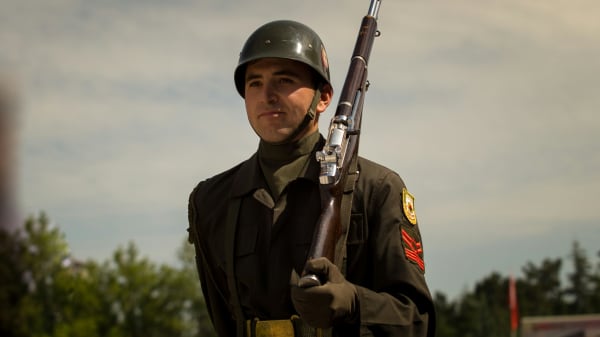
The foundation of a competent military doesn't solely rely on tactics, weaponry, and physical strength. Rather, it relies on the underlying principle of unity, one that encompasses diversity in its many forms. The issue of Workplace Diversity in the Military goes far beyond just including different races; it also crucially incorporates gender, age, religion, socio-economic status, and cultural backgrounds.
In this article, we explore the significance, the state, and the impact of cultural diversity in the military workplace.
Understanding the Scope
When we talk about cultural diversity, it's essential to recognize that it isn't only about where you were born or the color of your skin. It's about broadening the concept of diversity to include differences in thought, experiences, and backgrounds.
Racial diversity: Representing a wide range of ethnicities.
Gender diversity: Including men, women, and individuals who identify as non-binary or transgender.
Religious diversity: Respecting a range of belief systems.
Cultural diversity: Valuing different regional, societal, and global cultures present within the military.
By promoting and understanding these elements of diversity, the military can create a more inclusive and effective work environment.
The Current Landscape Of Workplace Diversity In The Military
With global conflicts necessitating united efforts, today's military workforce looks remarkably different than those of yesteryears. There's a growing realization that having a diverse force brings innovative perspectives that make the military more resilient, adaptable, and comprehensive.
Here's how diversity is taking shape:
The percentage of racial and ethnic minorities in active-duty military has risen from 25% in 1990 to 43% in 2017.
The representation of women in active-duty has also increased, from 10% in 1990 to 17% in 2017.
The distinct cultural backgrounds of servicemen and women have become even more diverse with the influence of globalization.
The Military Embracing Diversity
The military's acceptance of a diverse workforce didn't happen overnight. It's a result of years of development and acknowledgment of the potential that culturally diverse individuals bring to the table.
In 1948, President Truman issued Executive Order 9981 that led to the desegregation of the military.
In 1976, the U.S. service academies began admitting women, which opened new opportunities for women in the military.
In 2011, the repeal of “Don’t Ask, Don’t Tell” policy enabled gay, lesbian, and bisexual individuals to openly serve.
In 2016, the Department of Defense lifted the ban on transgender individuals serving in the military.
Each of these milestones marks significant progress in the military's journey towards workplace diversity.
The Positive Impacts Of Cultural Diversity
Workplace diversity in the military has multiple benefits:
Innovation: A diverse team often produces a wide range of ideas and perspectives, fostering innovation and strategic problem-solving abilities.
Strength: It strengthens the military by uniting individuals from different cultures in the service of a common goal.
Cross-cultural Understanding: It aids in international operations by incorporating knowledge and understanding from culturally diverse servicemen and women.
Societal Representation: Considering the military's role in the society, a diverse staff makes the institution more representative of the population it serves.
Addressing The Challenges
While the benefits are substantial, managing diversity in a military workplace can indeed be challenging. The military must enforce measures to ensure that cultural differences don't create division within the institution.
Ensure Equal Opportunities: Maintain policies and practices that ensure every person in the military gets an equitable chance to thrive.
Implement Diversity Training Programs: Educational initiatives can be designed to build a culture inclusive of various backgrounds to bring about empathy, respect, and better camaraderie in military units.
Foster a Culture of Respect and Tolerance: It's crucial to communicate at all levels that bullying, harassment, or any type of discrimination will not be tolerated.
Moving Forward
Workplace diversity in the military isn't simply about numerical representation. Diversity must be seen as an asset to military readiness and mission accomplishment. As such, the military needs to continually reassess its practices based on the evolving demographics of its servicemen and women.
The key to an even more integrative military lies in embracing our differences. Recognition, reinforcement, and respect for the comprehensive spectrum of ethnicities, genders, religions, and cultural differences are what make the military truly representative in its diversity. In the end, it's these diverse perspectives and experiences that will provide the innovative solutions to the military’s future challenges.