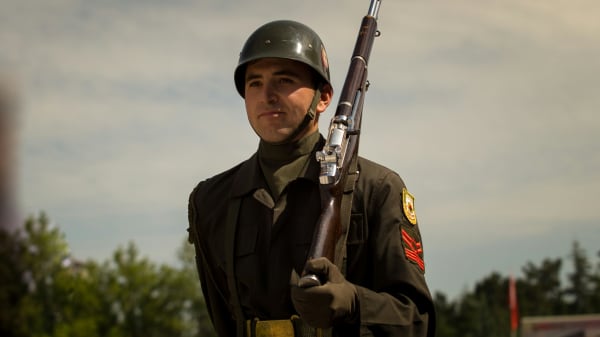
For anyone seeking to serve their country in the military, it's easy to focus on the physical aspects of preparation. Rigorous exercise regimes, agility training, and endurance building are all important parts of becoming a soldier. However, mental preparedness is just as vital. This is where the development of cognitive skills for soldiers comes into play.
In the dynamic, complex, and demanding environments that characterize military operations, cognitive skills can make the difference between success and failure, life, and death. Cognitive training for soldiers aids in developing traits such as improved decision-making, heightened emotional intelligence, adaptive thinking, and resistance to stress.
Understanding Cognitive Skills
Before we delve into the different types of cognitive skills crucial for soldiers and how to enhance them, it is essential to understand what cognitive skills are. Cognitive abilities are the mental skills that a person uses to acquire knowledge, reason, pay attention, remember, and comprehend their world.
Cognitive skills include:
- Memory: The ability to retain and recall information
- Attention: The ability to focus on a specific task
- Problem-solving: The capacity to analyze a situation and find a solution
- Decision-making: The ability to choose the most suitable options from many alternatives
- Spatial awareness: The understanding of your location in relation to the environment
- Emotional intelligence: The ability to recognize and manage your feelings and emotions
These skills, among many others, are crucial for a soldier to operate efficiently on the battlefield, especially in stressful and uncertain conditions.
Cognitive Skills for Soldiers
Now, let's explore the various cognitive skills that are particularly beneficial for soldiers and how they can be improved through cognitive training techniques:
Improved Decision Making: Soldiers often face critical split-second decisions in high-pressure situations. Responding rapidly and accurately is key. To improve decision-making capabilities, cognitive training exercises often involve scenarios that force a fast decision under stress. Real-time strategy and decision-making games can also be implemented in training to simulate battlefield decision-making scenarios.
Spatial Orientation: Navigating unfamiliar terrain is a common part of military operations. Spatial orientation skills can be honed through exercises such as orienteering, map reading exercises or even advanced virtual reality games.
Emotional Intelligence: Developing emotional intelligence can help soldiers deal with stress and prevent mental exhaustion. Training that promotes emotional resilience, such as meditation, mindfulness exercises, and resiliency training, can provide individuals with tools to manage their emotions, thereby enhancing their overall emotional intelligence.
Memory Enhancement: Memory is pivotal in remembering faces, routes, and critical strategy details. Techniques such as mnemonic devices, memory palaces, or even simple flashcards can come in handy for improving memory recall.
Attention and Concentration: In tactical situations, it’s crucial to stay focused over extended periods. Techniques like mindfulness and meditation can help to improve attention span and concentration.
Cognitive Training Techniques for Soldiers
There are several cognitive training techniques that can help aspiring soldiers improve these skills:
Computer-based Cognitive Training Games: These games are designed to boost specific cognitive functions like attention, decision-making skills, and memory. They are interactive, fun, and customizable according to individual needs.
Mindfulness and Meditation: Regular practices of mindfulness and meditation can significantly alleviate stress, improve attention span, enhance emotional intelligence, and contribute to overall mental well-being.
Physical Exercise: It's no secret that physical fitness is crucial for soldiers, but many studies have shown that regular exercise can also improve cognitive skills like memory and attention.
Healthy Diet: The brain, like any other organ, needs the right nutrients to function efficiently. A balanced diet rich in fruits, vegetables, lean proteins, healthy fats, and whole grains is key for mental performance.
Sleep: Aspiring soldiers should never underestimate the power of a good night's sleep. Adequate rest ensures that the brain can consolidate and process information, which is essential for memory and learning.
Cognitive skills for soldiers aren’t cultivated overnight, but a consistent, dedicated training program incorporating these techniques can yield considerable improvements over time. It's important to remember that cognitive training is only one aspect of preparing for a military career. Physical conditioning, team building, discipline, and technical skills are also key components for a successful soldier.
Becoming a soldier is a path that requires dedication, sacrifice, and hard work. Cognitive training is another tool to utilize in your efforts, equipping you to be more effective in understanding complex situations, making faster and better decisions, and enhancing your overall performance on and off the battlefield. Embrace it as part of your journey on the path to becoming a soldier, and witness the growth in your mental resilience and cognitive capabilities.